
Rus Sanatçının Çizdiği Gizli Mesajlarla Dolu, Tartışmaya Açık İllüstrasyonlar
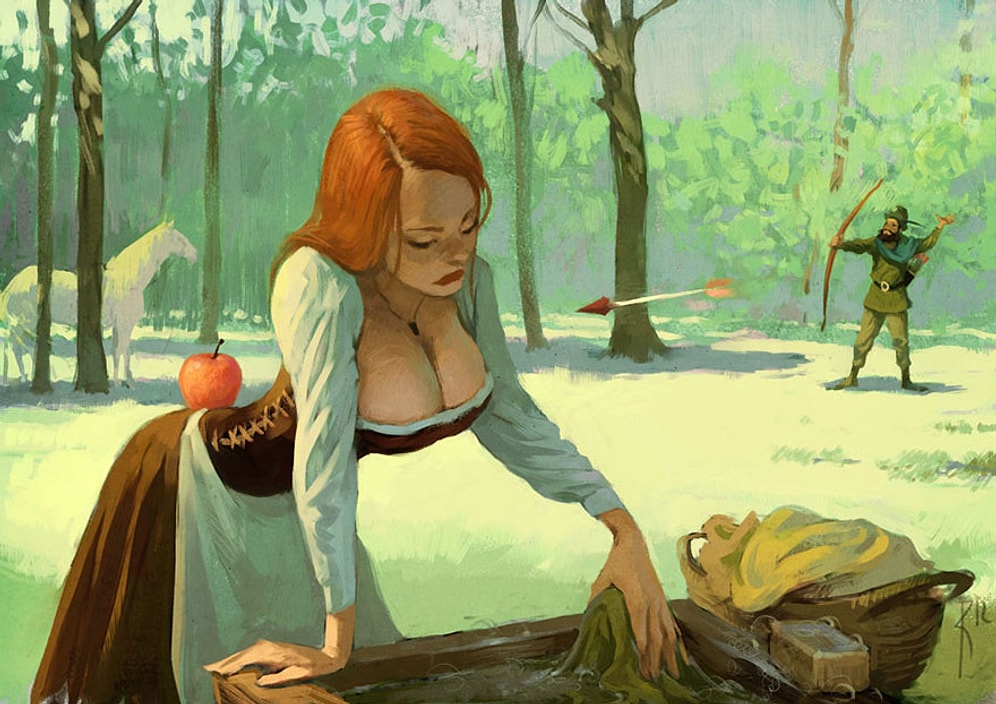
Rus sanatçı Waldemar von Kazak tarafından yapılan karanlık ve dijital çizimler, izleyicinin hayal dünyasını yakalamak için cinsel gerilim ve tuhaf karakterli sosyal yorumları ve sürrealizmi birleştiriyor.Tasarım okuluna gitmesine rağmen, von Kazak en büyük tutkusu çizim ve illüstrasyona geri dönüyor. ''Çocukluğumda, geniş demir bir salıncakla başarısız bir temas kurduktan sonra çizim yapmaya başladım. Tasarımcı olarak çok çalıştım yıllarca. Reklam, ambalajlama ve kitap tasarımı yaptım. Ama bir noktada, tekrar çizmek istedim. Bugün ise illüstrasyon yapıyorum.'' diyor sanatçı bir röportajında.Cinsellik yüklü bazı görüntüleri, kadın-erkek ilişkileri, günlük hayatımızın sıkıcılığı gibi konulara değiniyor. Fakat diğerlerinde tümüyle fantastik, bilim kurgu bir pin-up sanatı var.Uyarı: Rahatsız edici görseller bulunmaktadır!

Gelmiş Geçmiş En Güzel Kütüphane: Çek Cumhuriyeti'ndeki Klementinum Kütüphanesi
Klementinum kütüphanesi Barok mimarisinin en güzel örneklerinden bir tanesini temsil ediyor. Kütüphane 1722 yılında açılmış, Jesuit Üniversitesinin bir parçası ve 20 000'den fazla kitaba ev sahipliği yapıyor.Fotoğraflarda gördüğünüz muhteşem tavan freskleri Jan Hiebl tarafından boyanmış. 1781 yılında ise müdür olan Karel Rafael Ungar Çek edebiyatına ait bir koleksiyon yapmaya karar vermiş. Bu eşsiz koleksiyonun bazı kitaplarını önümüzdeki günlerde Google Books'ta görmemiz mümkün olacakmış.İşte kütüphane hakkındaki ilginç birkaç bilgi: Klementinum dünyadaki en büyük 3. Cizvit Koleji olarak geçiyor, ilk yerel hava kayıtları yine burada 1775 yılında kaydedilmiş. Ünlü İspanyol yazar Jorge Luis Borges'in bir romanında ise bu kütüphaneden bahsediliyor.

22 Aşırı Minimalistik Çizim İle Ünlü İsimlerin Tıpkısının Aynısı Portreleri
Minimalizm, kısaca sadelik olarak özetlenebilir. Müzikte ve mimaride olduğu kadar çizimde de kullanılan minimalizm'in pek çok örneğini bulmak mümkün. İşte sanatçı Dorian Legret'de bu akımı sevenlerden olacak ki, ünlülerin minimalistik çizimlerini, kendi Behance sayfasında takipçileri ile paylaştı. Sanatçının çalışmalarını merak edenler için: Behance
Dünyaca Ünlü 10 Fotoğrafçının Özellikleri ve Kendilerinden Daha Ünlü Olan Fotoğrafları
Fotoğrafçılığın, sadece bir şeyi fotoğraflamak değil, anı yakalamak ve duyguları aktarabilme yetisi olduğunun en güzel kanıtı olan, dünyanın en ünlü 10 fotoğrafçısının; ünü kendilerini aşmış fotoğraflarını sizler için bir araya getirdik..

Efsane Film Godfather Hakkında Az Bilinen 17 Gerçek
Don Corleone, Vito Corleone ve nice efsane karakter... The Godfather filmi kuşkusuz ki hepimizin çok sevdiği muazzam bir hikaye. Gelin hep birlikte bu efsane film hakkında bilinmesi gerekenleri inceleyelim. The Godfather konusu, oyuncuları ve daha pek çok detay sizlerle!
Reklam
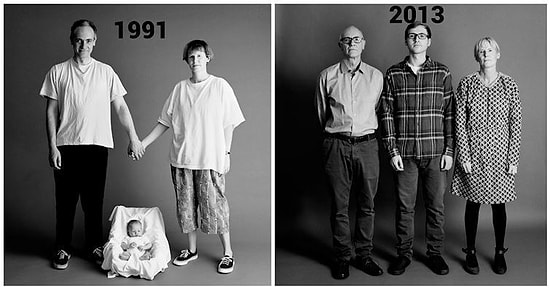
22 Yıl Boyunca Aynı Pozu Verip Fotoğraf Çektiren Ailenin Bu Kareleri Görülmeye Değer!
Zen Nelson Fotoğrafçılık, sıra dışı bir projeye el atarak 22 yıl boyunca (1991-2013) her sene aynı tarihte, aynı ailenin fotoğrafını çekti. Aynı ışık ve aynı fon kullanılarak dikkat dağıtıcı detaylardan kaçınıldı. Amaç sadece ailenin nasıl geliştiğini göstermekti.Bu değişimi görmek aileyi de oldukça etkilemiş olsa gerek. Bebeklik döneminden yetişkinliğe geçiş arasındaki dönüşüm, gerçekten görülmeye değer. Aynı şekilde, istikrarlı olarak görünüşünü koruyup, tarzını değiştirmeyen baba da.
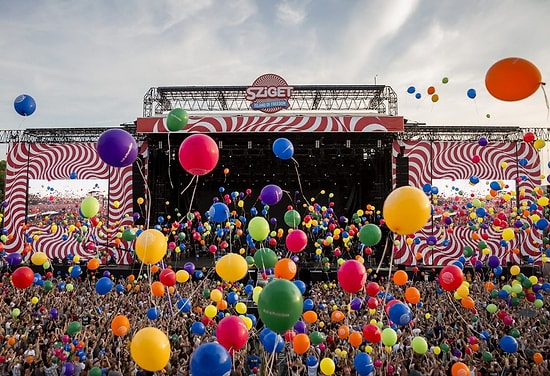
Onedio Sziget Festivali'ndeydi!
1993'ten bu yana Budapeşte'de gerçekleşen ve defalarca 'Avrupa'nın En İyi Festivali' ödülünü almış olan Sziget Festivali bu sene de unutulmazdı! Onedio olarak nam-ı değer Özgürlük Adası'nı şenlendirmekle kalmadık; 'Seneye mutlaka!' diyenler için sonsuz gaz kaynağı olacak bir festival günlüğü hazırladık. Yetmezmiş gibi ayağımızın tozuyla festivalin en eğlenceli gruplarından Babylon Circus ile bir de röportaj yaptık...
Reklam

Altın Koza'da Büyük Ödül Abluka'nın
Adana Altın Koza Film Festivali'nde ödüller, Periscope'dan canlı yayımlanan bir basın toplantısıyla açıklandı. En İyi Film Ödülü'nü Abluka aldı. Senem Tüzen'in ilk uzun metraj filmi 'Ana Yurdu' da jürinin öne çıkarttığı filmlerden biri oldu.Son dönemlerde artan terör olayları nedeniyle 22. Altın Koza Film Festivali'nde hiçbir özel etkinlik yapılmazken, açılış ve kapanış törenleri de iptal edilmişti.Sonuçlar bugün sabah Adana Divan Oteli’nde düzenlenen sade bir basın toplantısıyla duyuruldu. En İyi Film'e 350 bin TL verilen Adana'da toplam 876 bin TL para ödülü dağıtılıyor.Altın Koza'da ödül listesi şöyle: En İyi Film: AblukaYılmaz Güney Ödülü: Kar KorsanlarıEn İyi Yönetmen: Tolga Karaçelik (Sarmaşık)En İyi Kadın Oyuncu: Nihal Koldaş (Ana Yurdu)En İyi Erkek Oyuncu: Nadir Sarıbacak (Sarmaşık)En İyi Yardımcı Kadın Oyuncu: Hülya Böceklioğlu (Yarım)En İyi Yardımcı Erkek Oyuncu: Özgür Emre Yıldırım (Eksik)Umut Veren Kadın Oyuncu: Ece Yüksel (Nefesim Kesilene Kadar)Umut Veren Erkek Oyuncu: Berkay Ateş (Abluka)Jüri Özel Ödülü: Ece Atay (Yarım)En İyi Senaryo: Senem Tüzen (Ana Yurdu)En İyi Görüntü Yönetimi: Vedat Özdemir (Ana Yurdu) ve Türksoy Gölebeyi (Kar Korsanları)En İyi Sanat Yönetimi: İsmail Durmaz (Abluka)En İyi Müzik: Demircan Demir (Kasap Havası)SİYAD En İyi Film: Ana YurduFİLMYÖN En İyi Yönetmen: Senem Tüzen (Ana Yurdu)Halk Jürisi Ödülü: AblukaParalel Sinema
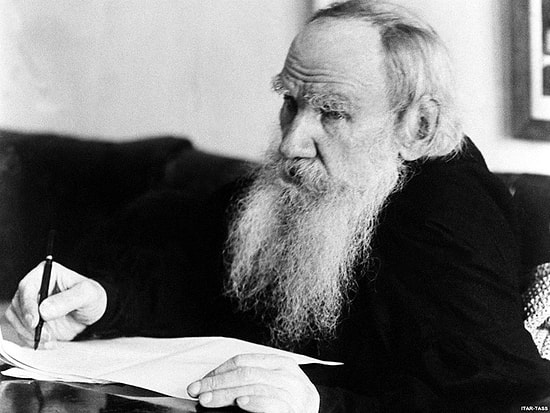
20'li Yaşlarda Tolstoy Okumak İçin 5 Sebep
Kalınlığıyla birçoklarının gözünü korkutan Savaş ve Barış , ilk bakışta 20'li yaşlarda okunacak bir kitap gibi durmayabilir. İvan İlyiç’in Ölümü ve Diriliş de isimleriyle korkutabilir gençleri. Ama aslında Tolstoy 20'li yaşlarda okumak için oldukça uygun bir yazardır. Çünkü bundan 100 yıl kadar önce Rusya’da yaşamış olsa bile kendisi de, karakterleri de günümüze hakim olan hırs, başarısızlık, stres, iyilik gibi duyguları iyi bilir ve her yaştan okura kendi içlerindeki duyguları anlayıp ifade etmeleri konusunda rehberlik edebilirler.Rus edebiyatının en önemli isimlerinden biri olan Tolstoy’u 20'li yaşlarda (veya herhangi bir yaşta) okumanız için beş sebep:

Sümela Manastırı 'Restorasyon' İçin Bir Yıl Ziyarete Kapatılacak
Trabzon İl Kültür ve Turizm Müdürü İsmail Kansız, tarihi Sümela Manastırı'nda yapılacak çalışmalar nedeniyle manastırın 22 Eylül tarihinden itibaren bir yıl ziyarete kapatılacağını açıkladı.
Reklam
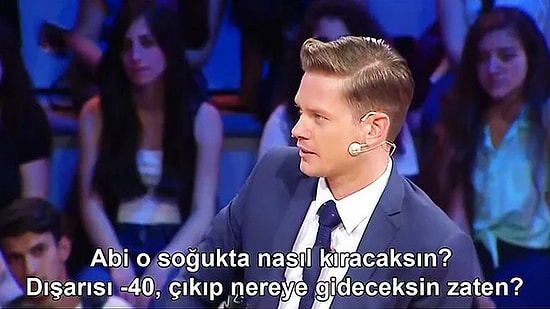

Son Dönemin Gözde Programı Elin Oğlu'dan Eğlencenin Dibine Vuran 19 Diyalog
Öncelikle program Güney Kore'deki Abnormal Summit(Non-Summit) programının Türkiye uyarlaması ki bunu da bildiğinizden şüphemiz yok. Elin Oğlu daha piyasada yokken orijinal programda bizi temsil eden Enes Kaya'yı da tanımayan yoktur. Neyse, Elin Oğlu 21 Mart'tan beri atv'de yayınlanıyor ve aldığı tepkiler genel anlamda olumlu. Farklı ülkelerden Türkçe'si iyi, konuşması keyifli adamları toplayıp bir masada kültürleri sentezlediklerinde ortaya keyifli işler çıkabileceğini kanıtlamışlar. Sunuculuğunu Ömür Varol ve Sinan Çalışkanoğlu yapıyor, farklı ülkelerden -şimdiden adlarına hayran sayfaları açılan- eğlenceli karakterlerle birlikte tam bir talk-show atmosferi yaratıyorlar. Cumartesi geceleri yayınlanan programdan eğlenceli diyalogları derlemesi bizden, izleyip izlememesi sizden...
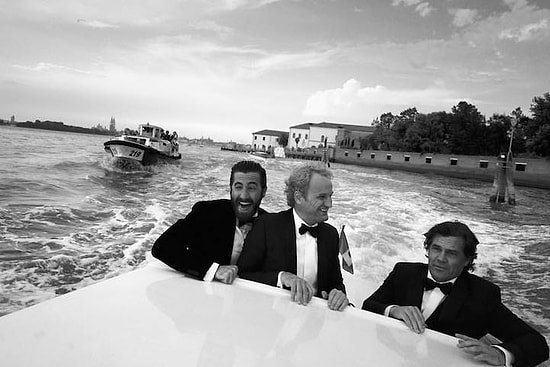
Bir Fotoğrafçının Gözünden: Venedik Film Festivali'nden Geriye Kalanlar
İngiliz fotoğrafçı Greg Williams, Hollywood yıldızlarının hayatlarının önündeki perdeyi kaldırıyor ve Johnny Depp, Jake Gyllenhaal ve Tilda Swinton gibi isimleri, kendi sinemasal ve samimi kadrajına taşımış.Geçtiğimiz haftalarda gerçekleşen 72. Venedik Film Festivali'nin fotoğrafçısı olarak görev yapan Williams, yönetmen, yapımcı ve oyuncuların ışıltılı dünyalarında, büyük yıldızların festival içindeki yaşantılarını, kahkalarını, sohbetlerini, yemek zamanlarını, araba sürmelerini, oteldeki dinlenme anlarını, bot sürüşlerini vb. tüm keyifli anı güzel bir seride birleştirmiş.Williams, festival süresince gerçekleştirdiği her çekimin doğal olması için uğraştığını ve her birinden son derece büyük keyfi adlığını söyledi.
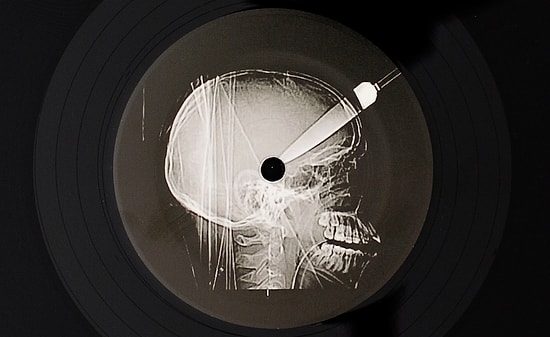
İnsanı İntihardan Vazgeçirecek Derecede Keyifli Olan 18 Şarkı
Öyle güzel şarkılar var ki, insanı en huzursuz, en mutsuz anında bile keyiflendirebilir. Hatta belki de intihardan bile vazgeçirebilir. Ekşi sözlükte açılan 'İntihardan vazgeçiren şarkılar' başlığından derlediğimiz 18 şarkı sizlerle
Reklam
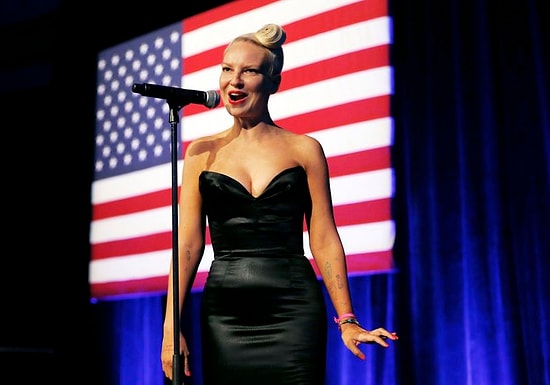
Sia, Şimdi de Belgesel Yapacak
Avustralyalı şarkıcı ve besteci Sia, hayatı ve eşiyle ilişkisi üzerine bir belgesel çekeceğiniz açıkladı. Belgeselin ismi 'İsimsiz Sia Projesi' olarak açıklandı.
Reklam

Batband'le Kulaklığınızı Kafanıza Takarak, Daha Kaliteli Müzik Dinlemek Mümkün
İngiliz tasarım stüdyosu Studio Banana Things, müzik aletlerinin en fütürisitklerinden birini tasarlayarak, işleri bambaşka bir boyuta taşıdı. İşte karşınızda, kulaklarınız yerine kafanıza taktığınız, Batband.
Mahsun Kırmızıgül'ün Oscar İsyanı
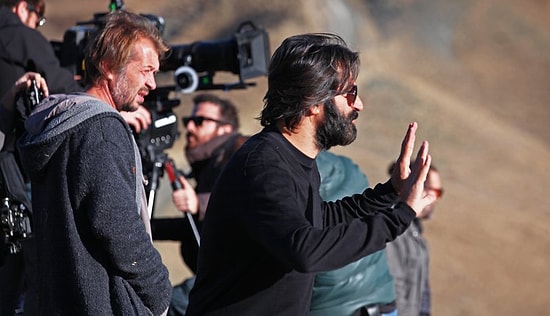
Mahsun Kırmızıgül, yönetmenliğini üstlendiği 'Mucize' filminin değil, Kaan Müjdeci'nin Venedik'ten ödülle dönen Sivas filminin Türkiye adına Oscar'a adayı gösterilmesine isyan etti.


Şebnem Ferah'ın Müziğin Kraliçesi Olduğunun 10 Şarkıda Kanıtı
Yenilerden başlayalım, 8 saniye filmi için yazdığı ve bestelediği şarkı

Ed Sheeran'ın Photograph Şarkısına Yapılan 8 Muhteşem "Fingerstyle Cover"
20-25 yaş arasında bu içeriği okuyan arkadaşlarımız büyük ihtimalle klibi izlerken benim gibi aynı düşüncelere kapıldı.. Küçüklüğünün fotoğraflarını bile bulmakta zorlanan bizler, bu klipte 'Ed Sheraan'ın küçüklüğünü' kendi yaptığı şarkısıyla birleştirmesine kesinlikle çok duygulandık..Her neyse çok drama bağlamaya gerek yok. Bu muhteşem şarkının 'fingerstyle' versiyonlarını eminim keyifle dinleyeceksiniz.
Reklam

- 1
- ...
- 497